What bicycle and e-bike insurance costs in the US, what drives your premium, and how it compares with relying on a homeowners or renters policy.

.png)
Dedicated bike insurance is priced on what your bike is worth. If you’ve been deciding whether to insure your bicycle or e-bike, cost is usually the first question. This guide sets out what Sundays has quoted for typical set-ups, what moves the price, and how it compares with relying on a homeowners or renters policy.
Premiums are priced on the value of your bike. Here are four example quotes for common set-ups, taken from our How we compare page.
| Bike | Insured value | Sundays premium |
|---|---|---|
| E-bike commuter | $2,500 | $196 per year ($17 per month) |
| E-bike commuter | $5,000 | $346 per year ($30 per month) |
| Road bike with racing and event cover | $2,500 | $198 per year ($17 per month) |
| Road bike with racing and event cover | $5,000 | $350 per year ($30 per month) |
Example premiums from quotes run in March 2024 for a rider in ZIP code 94941, California: a Specialized Haul e-bike with a $250 deductible, and a Specialized Diverge carbon road bike with racing and event cover and a $350 deductible. They illustrate prices available on that date, and prices may have changed since, so treat them as a guide to scale rather than a current price. They are not a quote or an offer of insurance. Your premium depends on your bike’s declared value, your location, your deductible ($150, $250 or $350), any optional cover and our underwriting criteria when you apply. Coverage is subject to the policy terms, conditions, limits and exclusions, and some benefits are not available in every state. See the sample policy for the full wording, or get a quote for the price that applies to you.
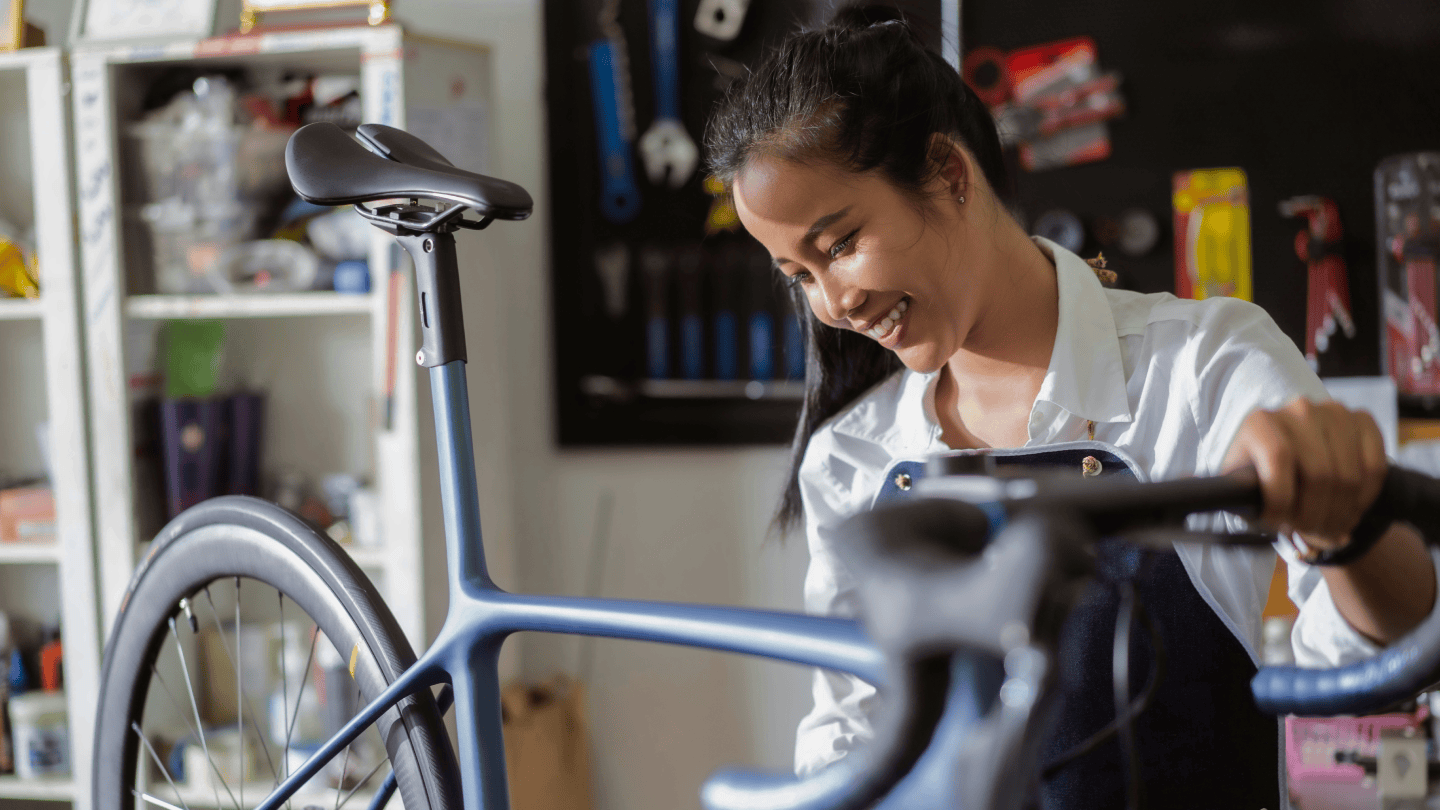
The value of your bike is the biggest factor. The more your bike is worth, the more it costs to insure, because the potential payout on a claim is higher. When you get a quote, you declare the value of your bike and any accessories you want covered.
E-bikes generally cost a bit more to insure than traditional bicycles because they are typically more expensive to replace and have additional components like motors and batteries that can be damaged. The difference isn’t dramatic, as the value of the bike itself remains the primary driver.
Where you live can also affect the price. Areas with higher theft rates tend to carry higher premiums than lower-risk areas.
Your premium also changes with the cover you choose and your deductible. A policy covering theft and damage is the starting point. Adding optional worldwide cover, racing and event cover, accessories or extra wheelsets increases the premium. Choosing a higher deductible ($250 or $350 rather than $150) lowers your annual premium, though you pay more out of pocket if you need to claim.
Many riders assume their homeowners or renters insurance covers their bike adequately. It may cover a bicycle as personal property, but policies often apply a sub-limit for sporting equipment, a deductible of several hundred dollars or more, and no cover for theft away from home or for accidental damage. Some treat e-bikes differently from regular bicycles. Terms vary widely by insurer and policy, so check yours before you rely on it.
Dedicated bicycle insurance from Sundays is designed around how cyclists actually use their bikes. E-bikes are covered on the same basis as regular bicycles, theft is covered at home and away from home, and worldwide cover is available as an optional add-on. See the sample policy for the full terms, limits and exclusions.
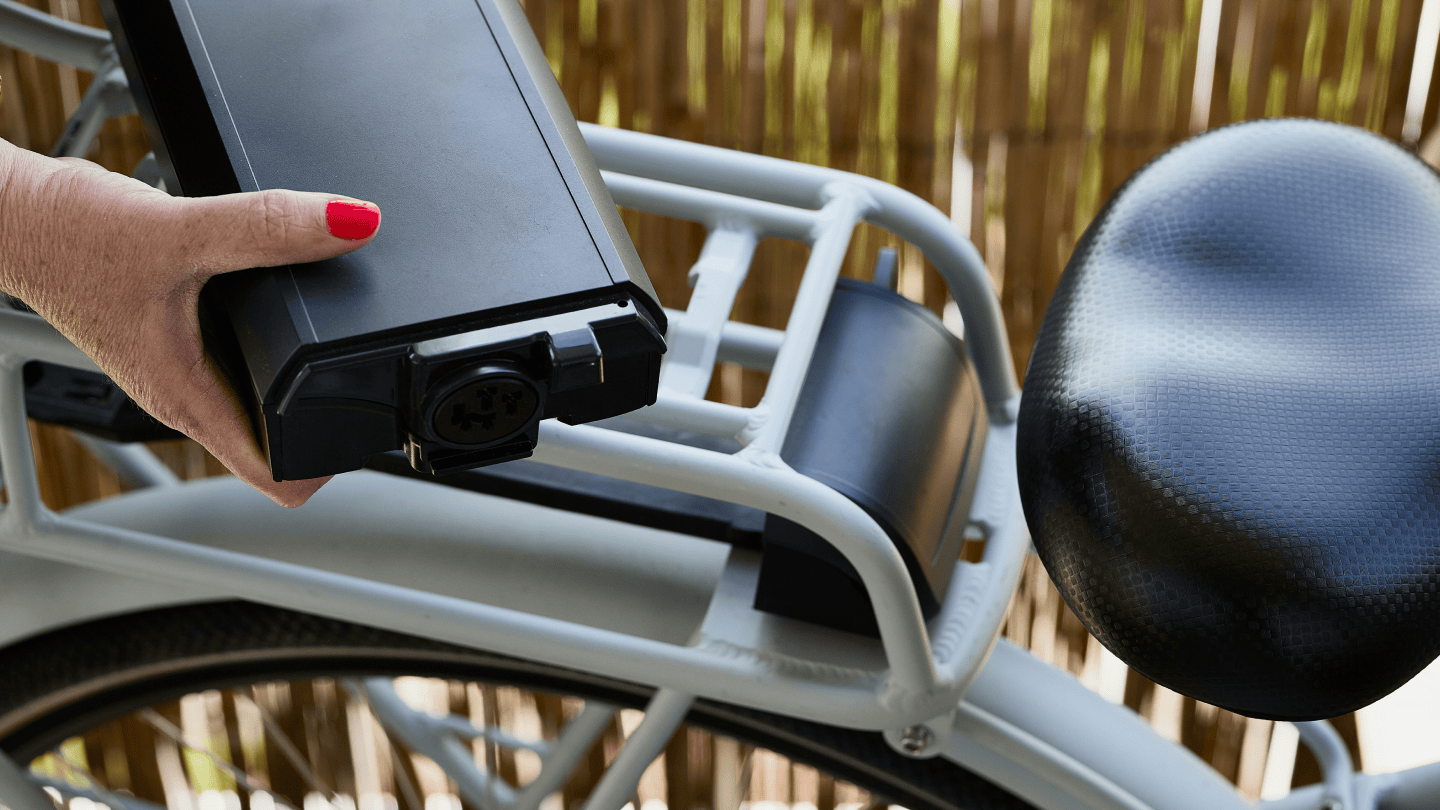
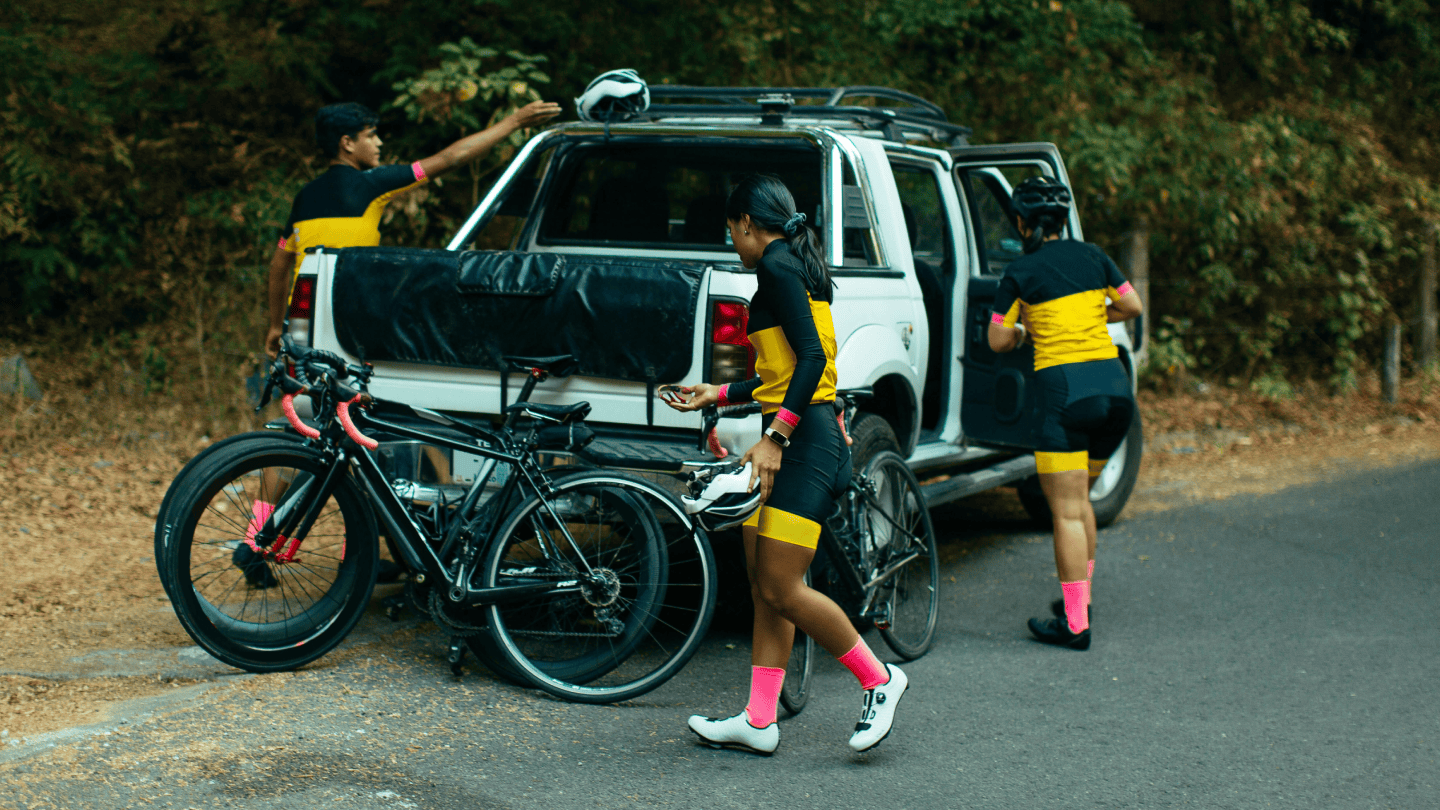
A Sundays policy covers theft at home and away from home, provided the bike is locked to an immovable object with a lock from our approved lock list. It covers accidental damage, including crashes on your commute or on training rides, malicious damage, and loss or damage in transit within the US, including while your bike is on a bike rack. If you are hurt in a covered accident, it pays up to $1,000 in emergency medical expenses (not available in New York) and up to $75 in taxi fare to get you and your bike home.
Four things are optional, and you price them when you get a quote. Worldwide cover for up to 90 days abroad. Racing and event cover. New-for-old replacement of a bike you insure within 60 days of buying it new, sold as lifetime new-for-old and subject to the conditions and limits in the sample policy. Cover for accessories, cycling kit and extra wheelsets.
You also choose your deductible, $150, $250 or $350.
A stolen or written-off bike with no insurance means replacing it entirely out of pocket. With insurance, you pay a set premium each year, and a covered claim is settled less your chosen deductible and subject to the policy terms.
We’re obviously biased, but the comparison is a simple one: the premiums above against the cost of replacing your bike. If your bike is worth more than a few hundred dollars and you ride it regularly, insurance is worth pricing.
This guide is general information, not advice about your circumstances. Read the sample policy and check the terms against how and where you ride before you buy.
Getting a quote takes a couple of minutes, and we’d love to show you what cover looks like for your specific bike.
How much does Sundays bike insurance cost per month?
It depends on your bike’s value, your deductible and any optional cover. The example quotes in this guide came to $17 to $30 a month for bikes worth $2,500 to $5,000, and lower-value bikes cost less. Your quote confirms the price for your bike.
Can I lower my premium?
Yes. Choosing a higher deductible ($250 or $350 rather than $150) lowers your annual premium, and you can see the effect during the quote process. You pay more out of pocket if you claim.
Do I need to insure my accessories?
It’s optional. You can add items like GPS computers, extra wheelsets, helmets or cycling apparel to your policy, and your premium increases based on the value of the items you add.
Does my premium change if I race?
Everyday riding, commuting and training rides are covered as standard. Racing and organized events need the optional racing and event cover, which adds to your premium.
How do I prove my bike’s value for the policy?
Keep your purchase receipt. If you bought the bike used or built it yourself, get a written valuation from a bike shop and keep it with your policy documents. The sample policy sets out what we need to settle a claim.


.avif)
.avif)


