
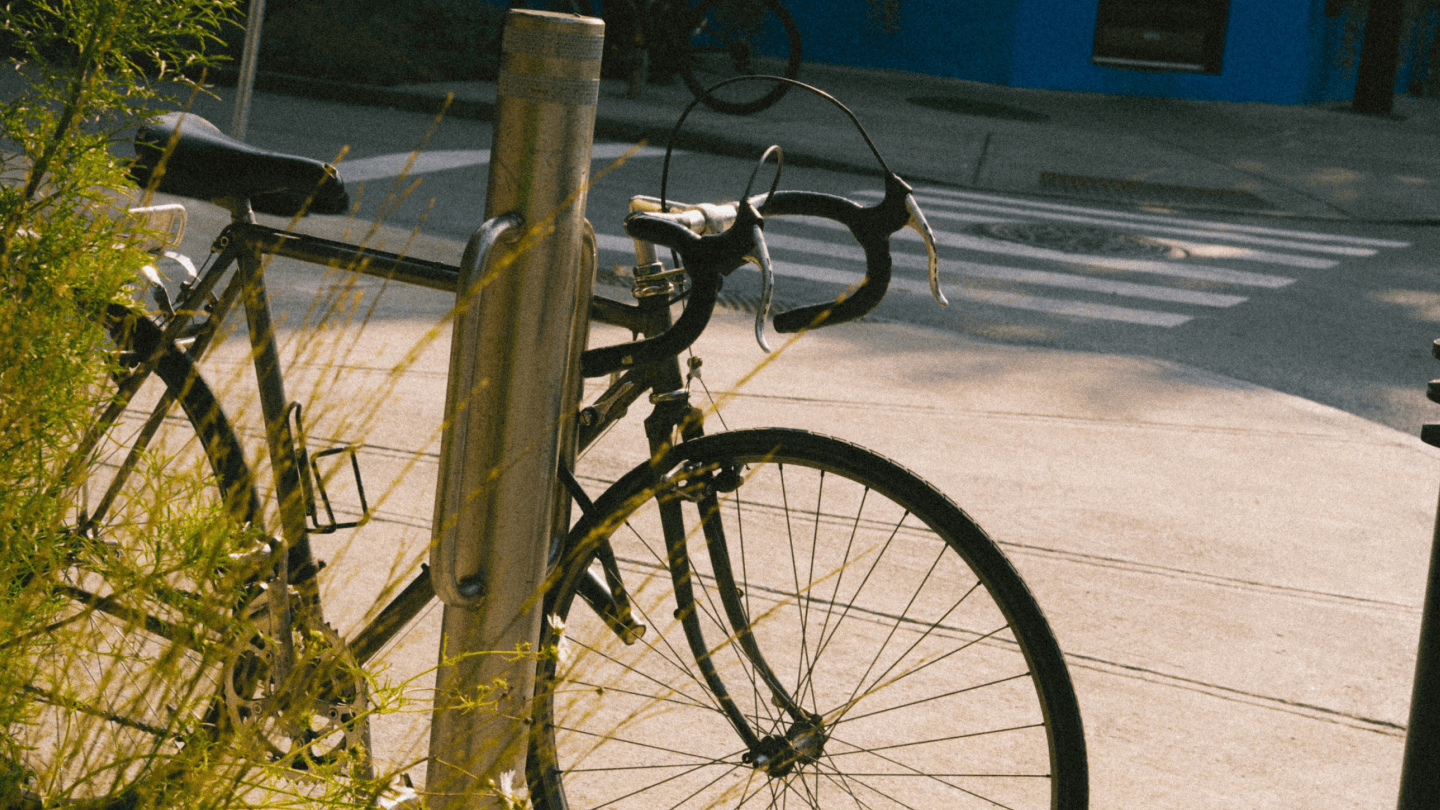
If losing your bike would hurt financially, insurance is probably worth it. If your bike cost $500 and you would shrug and buy another one, it is not. Everything else comes down to where your situation falls on that spectrum, and whether the policy you are looking at actually covers the risks you face.
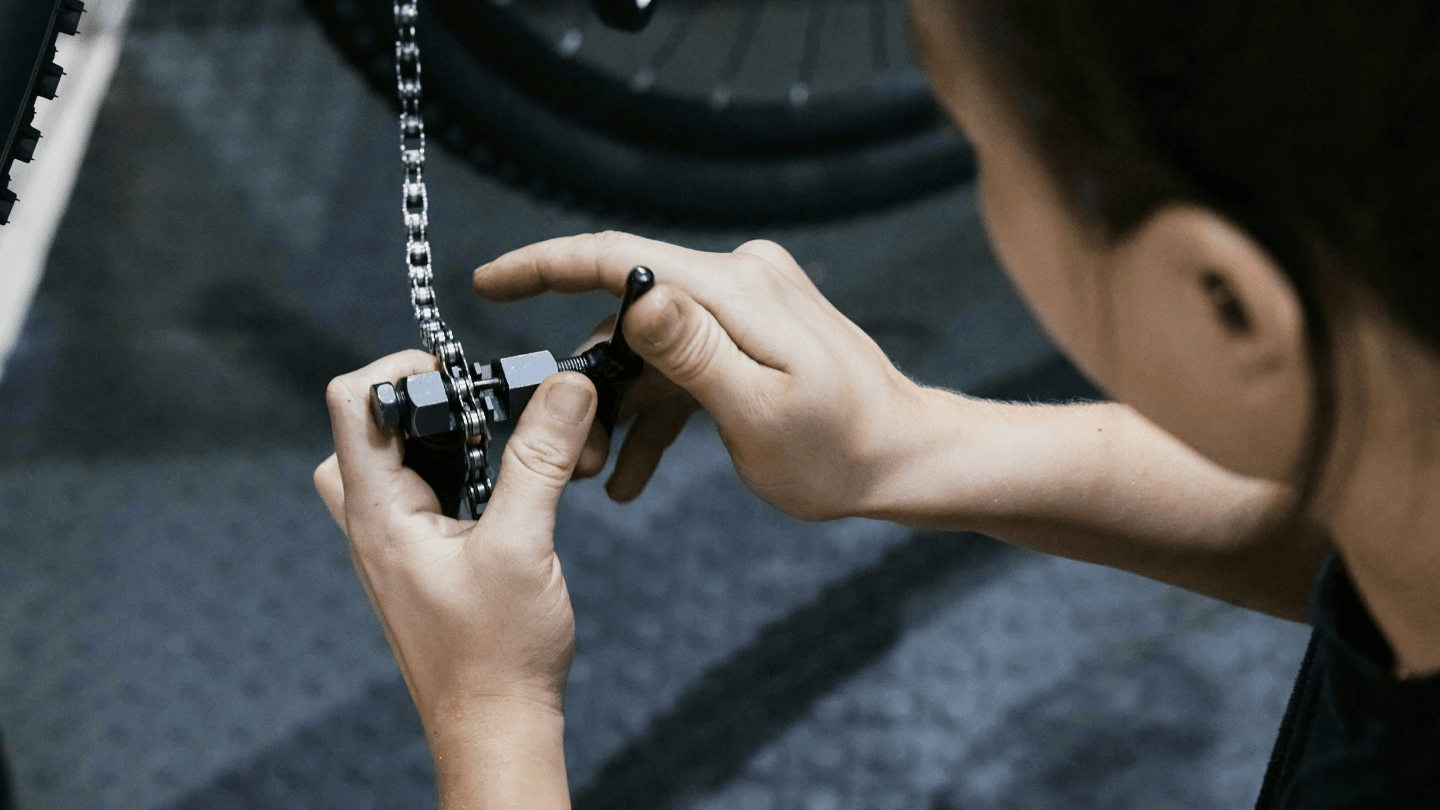
Standalone bicycle insurance typically covers theft, accidental damage, and malicious damage.
Theft is the primary reason riders buy standalone cover. This includes your bike being stolen outside a cafe, cut from a rack, or taken from your home or garage.
Accidental damage covers crash damage, your bike falling off a car rack, or someone knocking it over during a cafe stop.
Malicious damage covers vandalism, such as someone damaging your frame or wheels while the bike is locked up.
Some policies offer additional protection:
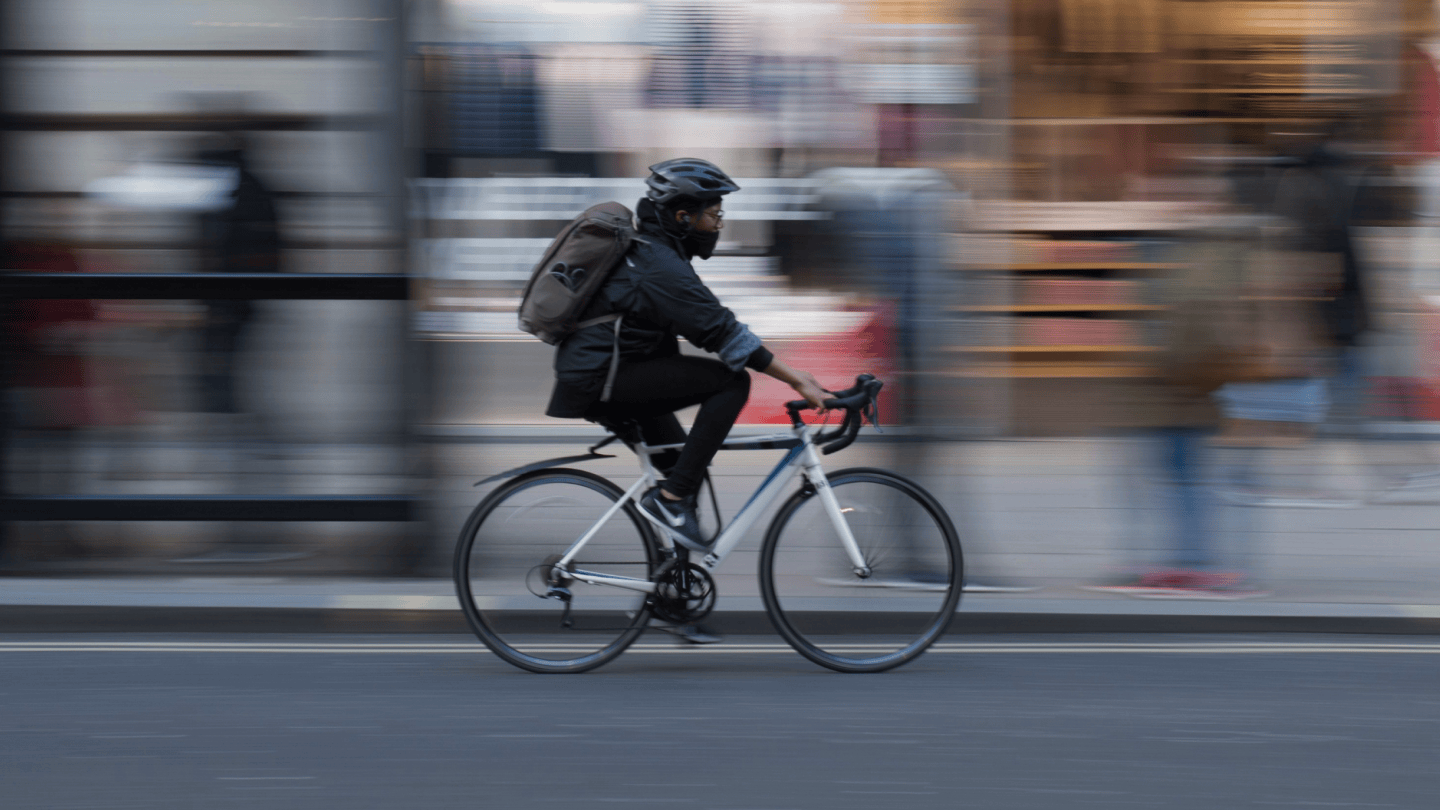
A few common scenarios where standalone cover makes sense:
Your bike is worth more than $2,000. Replacing a high-value bike is a significant financial setback. What you pay for standalone cover depends on your bike's value, where you live and store it, and the options you choose, so the only reliable figure is a quote for your own setup.
You commute regularly. Commuter bikes spend hours locked in public areas, increasing exposure to opportunistic theft. If your bike goes missing, you face both the replacement cost and immediate disruption to your daily routine.
You race or travel with your bike. Flying and racing introduce crash and transit risks that general insurers rarely cover. Repair and replacement costs for carbon components or electronic groupsets add up quickly.
There are scenarios where the numbers do not favor buying a policy:
Your bike is worth under $1,000. Premiums scale with bike value, but most insurers also apply a minimum premium, so cover for an entry-level bike costs proportionally more than cover for an expensive one. If you could comfortably replace the bike yourself, the premium plus the deductible may not be worth it.
You rarely ride and store the bike securely. If your bike rarely leaves home and remains locked in a secure garage, your risk profile for accidental damage and public theft is very low.
Your existing home insurance provides adequate cover. Some homeowners or renters policies cover bicycles as personal property away from home. If your policy has an appropriate limit, covers off-premises theft, and carries a low deductible, you may already have sufficient protection.
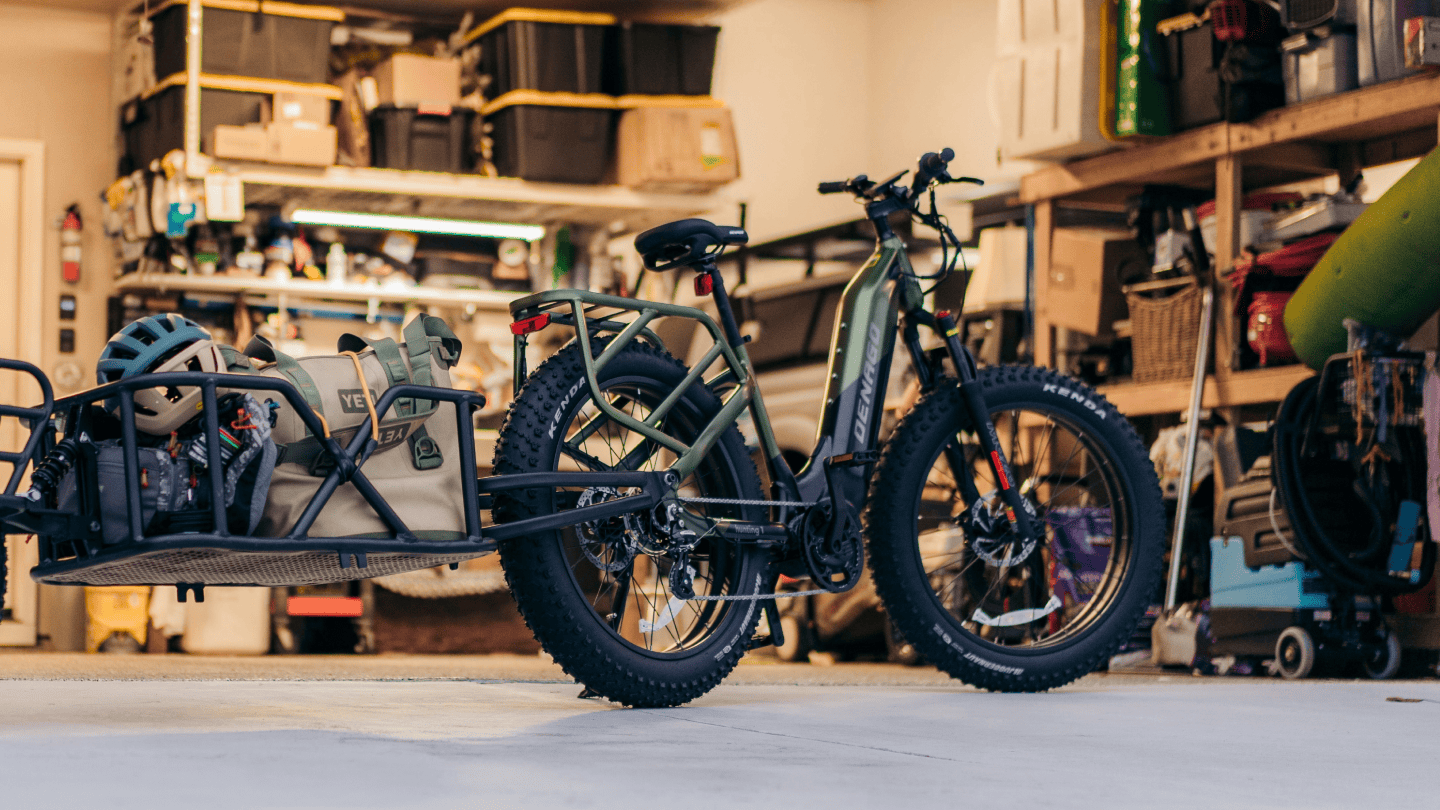
Home and renters policies often list bicycles under standard personal property, but several practical limitations apply.
Coverage away from home is frequently capped, restricted, or excluded altogether. Many policies only protect property within the boundaries of your residence, leaving your bike unprotected when locked on the street or outside your office.
Standard home policies also exclude cycling-specific risks like crash damage, race participation, and transit damage. A home policy deductible is set against the building and its contents rather than against a bike, so it can be high enough that a repair or a mid-range bike claim pays out little or nothing, while still counting as a claim at renewal.
Specialist bicycle insurance is designed around how cyclists actually ride. It sets the deductible against the bike rather than the building, covers the bike away from home (subject to the locking and security requirements set out in the policy), and puts claims in front of handlers who understand bike components and bike shop repair estimates.
To determine whether standalone cover makes sense for you, consider three practical questions:
If you want to see what coverage looks like for your specific setup, you can generate a personalized quote online in a few minutes.
It depends less on the sticker price than on what losing the bike would mean. If you could replace it out of pocket without much thought, cover is hard to justify. If it is how you get to work and an unplanned replacement would hurt, it can still be worth it on a modest bike. Because most insurers apply a minimum premium, cover for a cheap bike costs proportionally more than cover for an expensive one.
Often it covers the bike in some form, but the limits are the thing to check. Look at whether the policy covers theft away from your home, what the deductible is, and whether cycling risks like crash or race damage are excluded. If the deductible is close to the value of the bike, the cover may not do much in practice.
Premiums are rated on your bike's value, where you live and store it, and the options you add, so there is no single figure that applies to everyone. A quote for your own bike and address is the only reliable answer, and it takes a couple of minutes online.
E-bikes tend to make a stronger case than traditional bikes. They usually cost more to buy and more to repair, because the battery, motor and controller are expensive components. Check how the policy treats the battery, and whether your e-bike's class is covered, before you buy.
A good lock lowers the chance of theft, it does not remove it, and it does nothing for crash damage, accidental damage or damage in transit. Most policies also require a lock of a specified standard for a theft claim away from home, so a lock and a policy work together rather than being alternatives.
Usually yes, when the bike is left unattended away from home. Policies specify a lock standard, and often how long the bike can be left, and a theft claim can be declined if the lock used does not meet it. Check the approved lock list and the security conditions in the policy wording before you rely on the cover.
Theft from a vehicle is treated as its own case and is not automatically included. Where it is covered there are normally conditions, such as the bike being out of sight, the vehicle locked, and a limit on how long it is left. Read the vehicle theft section of the policy wording, because this is a common reason a claim is turned down.
Accessories, components and kit are sometimes included and sometimes carry their own limit. Upgrades such as wheels, a power meter or a child seat may need to be declared to be covered for what they are worth. If you have spent money on parts beyond the standard build, list them when you take out the policy.
Disclaimer: This guide is provided for general informational purposes only and does not constitute financial, insurance, or legal advice. Coverage terms, conditions, limits, exclusions, and pricing vary by region and underwriting criteria. Always review the sample policy form and the terms and conditions before purchasing insurance.


.avif)

.avif)


